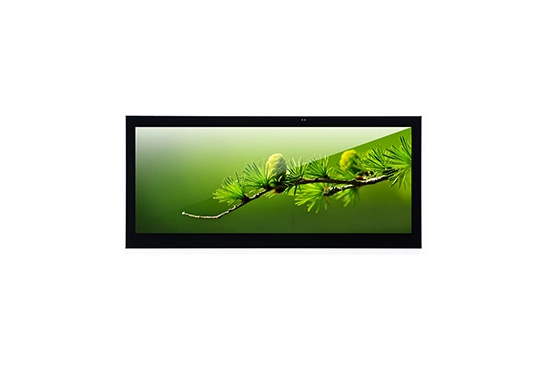
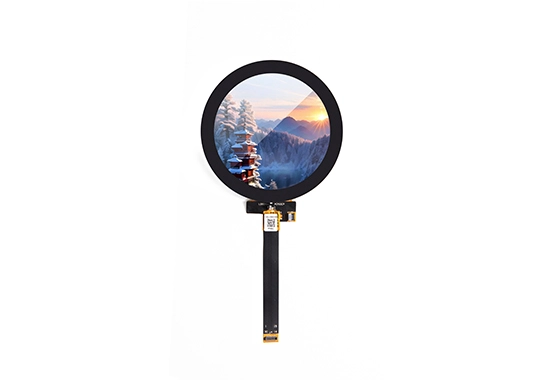
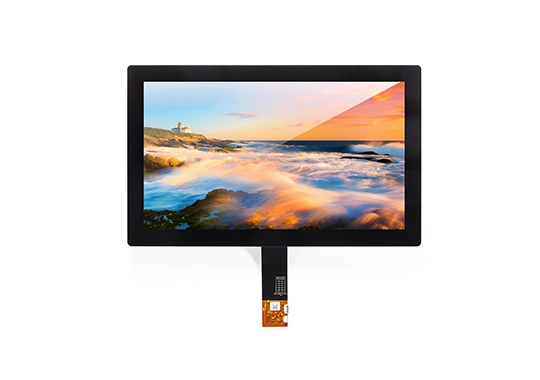
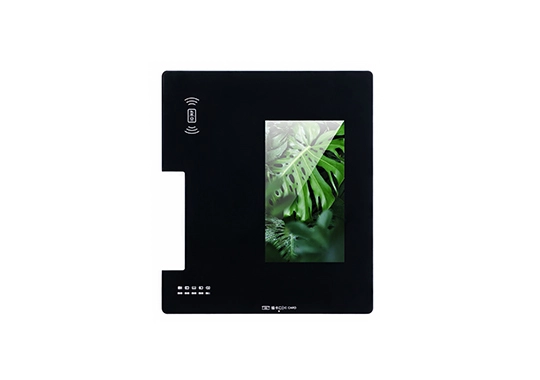
In the ever-evolving landscape of display technology, the Twisted Nematic (TN) TFT LCD Panel remains a cornerstone of the industry. While newer technologies often dominate consumer electronics headlines, TN TFT LCDs quietly and reliably power millions of industrial, medical, and commercial devices worldwide.But what exactly is a TN TFT LCD Panel, and why does this veteran technology still hold such a massive share of the industrial display market? The answer lies in its unbeatable combination of lightning-fast response times, highly mature manufacturing processes, and exceptional cost-effectiveness.In this comprehensive guide, we will untwist the mysteries of TN display technology. We will explore its fundamental working principles, weigh its unique advantages against its limitations, examine real-world applications, and provide a professional procurement guide to help you choose the perfect TN display module for your next hardware project.
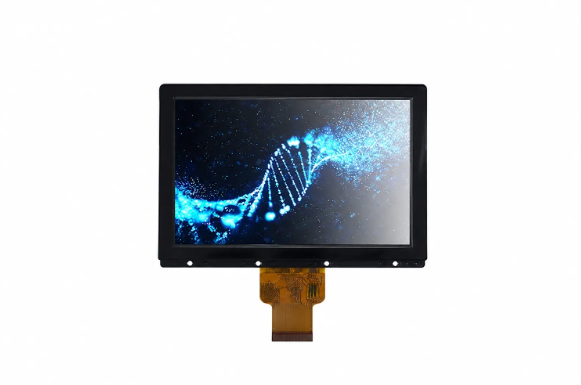
To understand the value of this technology, we must first look at its core definition. TN (Twisted Nematic) refers to a specific type of liquid crystal technology where the molecules naturally align in a 90-degree twist between two glass substrates. When paired with a TFT (Thin-Film Transistor) active matrix, you get a TN TFT LCD panel—a display capable of rendering sharp, full-color images with precise pixel control.
Historically, basic TN LCDs were passive-matrix displays, commonly seen in old digital watches and basic calculators. They were monochrome and suffered from slow refresh rates. The integration of the TFT active matrix revolutionized this technology. By placing a tiny transistor at every single pixel, a TN TFT LCD can actively control the voltage applied to each sub-pixel independently. This active control is what allows modern TN panels to display complex, high-resolution graphics and vibrant colors.
The magic of the TN panel lies in its molecular structure. In their natural, resting state, the nematic liquid crystals form a helical structure, twisting exactly 90 degrees from the bottom layer to the top. This precise twist acts as a microscopic optical guide, perfectly bending the light emitted from the backlight so it can pass through the display's polarizing filters.Since its introduction decades ago, TN technology has undergone continuous refinement. Today, it stands as one of the most reliable and deeply understood display technologies in the global supply chain, making it an engineering favorite for mission-critical applications.
The operation of a TN TFT LCD panel is a beautiful synergy of optical physics and microelectronics. To truly appreciate its efficiency, let's break down the mechanics into two primary phases: light transmission and voltage control.
At its core, an LCD panel does not create light; it acts as a highly advanced light valve. The visual output depends on a synchronized multi-layer system:
The Backlight Unit: Typically an LED array situated at the very back of the module, providing a constant, bright, and even source of white light.
The Polarizers: The panel features two polarizing filters—one at the back and one at the front—oriented perpendicularly (at a 90-degree angle) to each other. Without the liquid crystals, light passing through the first filter would be completely blocked by the second.
The Liquid Crystal Layer: Sandwiched between the polarizers, the twisted liquid crystals guide the polarized light, twisting it 90 degrees so it perfectly aligns with the front polarizer, allowing the light to escape and be seen by the human eye.
The actual creation of images relies on how these liquid crystals react to electricity, managed by the TFT array.
Power-Off State (Light Passing): When no voltage is applied to a pixel, the liquid crystals maintain their natural 90-degree twist. The light follows this twist, passes through the front polarizer, and the pixel appears bright (white).
Power-On State (Light Blocking): When the TFT applies a voltage to the pixel, the electrical field forces the liquid crystal molecules to untwist and align vertically. Because the light is no longer being twisted 90 degrees, it hits the perpendicular front polarizer and is blocked. The pixel appears dark.
Pixel Control Principle: By precisely varying the voltage levels (creating grayscale), the panel can partially untwist the crystals, controlling exactly how much light passes through the Red, Green, and Blue (RGB) color filters, thereby generating millions of distinct colors.
Component Breakdown Table:
| Component | Core Function |
| Polarizer | Controls the direction of light waves entering and exiting the panel. |
| Liquid Crystal Layer | Modulates the light by twisting or untwisting based on applied voltage. |
| TFT Array | Acts as the active matrix, controlling the electrical state of individual pixels. |
| Backlight Unit | Provides the essential illumination necessary for the image to be visible. |
Why do engineers and product designers continually specify TN panels for their projects? The answer lies in four core advantages that make this technology exceptionally competitive, particularly in the B2B and industrial sectors.
One of the most celebrated attributes of TN technology is its unparalleled response time. Because the liquid crystal molecules only need to twist and untwist, their physical transition is incredibly swift—often reaching 1ms to 5ms. This rapid transition eliminates ghosting and motion blur, making TN panels perfectly suited for real-time display equipment, high-speed monitoring systems, and dynamic control interfaces where immediate visual feedback is critical.
In the world of hardware manufacturing, budget allocation is paramount. TN TFT LCD panels represent one of the most mature technologies in the display industry. The manufacturing processes have been perfected over decades, resulting in high production yields and minimal waste. This maturity translates to significantly lower unit costs compared to IPS or OLED panels. For projects requiring large-scale mass production, TN panels offer an unbeatable balance of performance and budget-friendliness.
Energy efficiency is a critical metric for modern electronics, especially for portable or battery-operated devices. TN panels inherently require less processing power and backlight intensity to achieve clear visibility compared to other LCD types. This low power consumption makes them the go-to choice for portable medical equipment, handheld industrial terminals, and smart home sensors that require extended operational life.
Industrial environments are unforgiving. Displays are often subjected to extreme temperatures, continuous 24/7 operation, and electrical noise. TN TFT LCD panels are renowned for their rugged reliability. They boast a long operational lifespan and can be engineered to perform flawlessly across wide temperature ranges, ensuring stable operation in both freezing warehouses and sweltering factory floors.Advantage Summary Table:
| Advantage | Practical Benefit for Your Project |
| Fast Response | Ensures crisp, real-time display without motion blur. |
| Low Cost | Keeps BOM (Bill of Materials) low for budget-friendly projects. |
| Low Power Consumption | Extends battery life and reduces overall device energy footprint. |
| Mature Technology | Guarantees a stable supply chain and high production reliability. |
To make an informed engineering decision, it is equally important to understand the objective limitations of TN technology. While highly capable, TN panels are not a one-size-fits-all solution for every application.
The most notable drawback of a TN panel is its restrictive viewing angle. Unlike other technologies, viewing a TN screen from extreme angles—particularly from the bottom—can cause "grayscale inversion," where colors invert and the screen appears washed out or unreadable. For optimal viewing, the user should be positioned relatively straight in front of the display.
While modern TN TFT panels can display millions of colors, their color reproduction and contrast ratios do not quite match the vibrancy and deep blacks of IPS (In-Plane Switching) or OLED panels. The colors may appear slightly muted, which is perfectly acceptable for data-driven interfaces but less than ideal for media consumption.
Due to the aforementioned viewing angles and color limitations, TN panels are generally not recommended for graphic design monitors, high-end consumer televisions, or applications where precise color fidelity from multiple viewing positions is the primary selling point.Comparison of Parameters:
| Parameter | TN Panel | IPS Panel |
| Viewing Angle | Narrower (prone to color shift) | Wider (up to 178 degrees) |
| Color Accuracy | Standard (good for data/UI) | Higher (ideal for media/graphics) |
| Cost | Lower | Higher |
Which technology should you choose for your next product? This is one of the most common questions during the hardware procurement process. Both Twisted Nematic (TN) and In-Plane Switching (IPS) are TFT LCD technologies, but their molecular arrangements dictate entirely different performance profiles.While TN molecules twist vertically, IPS molecules rotate horizontally parallel to the screen. This structural difference is the root of their distinct characteristics.Detailed Feature Comparison:
| Feature | TN TFT LCD | IPS TFT LCD |
| Response Time | Excellent (1ms - 5ms) | Good (5ms - 8ms) |
| Viewing Angle | Moderate (Best viewed straight on) | Excellent (178° Ultra-wide) |
| Color Accuracy | Good | Excellent |
| Contrast Ratio | Standard | High |
| Cost | Lower | Higher |
| Industrial Use | Excellent (Highly reliable) | Excellent (Great for HMI) |
The Verdict:
When to choose a TN Panel? Opt for TN when your project demands a cost-effective, low-power, and fast-response solution where the user will primarily view the screen head-on. It is the perfect choice for industrial control panels, budget-friendly handheld devices, and basic medical readouts.
When to choose an IPS Panel? Select IPS when your application requires ultra-wide viewing angles, exceptional color accuracy, and premium visual aesthetics, such as in high-end consumer tablets, advanced medical imaging, or premium automotive dashboards.
Because of their durability and cost-efficiency, TN panels command a massive presence across various professional industries. Let's explore the key sectors driving the demand for this technology.
In the factory automation sector, function always overrides flashy graphics.
PLC (Programmable Logic Controllers): Technicians need clear, instantaneous readouts. TN panels provide the fast response times required.
HMI (Human-Machine Interfaces): Factory machinery utilizes TN panels for stable, long-lasting touch interfaces.
Control Panels: Elevators, CNC machines, and heavy equipment rely on TN panels for their ruggedness in harsh environments.
Reliability is a matter of life and death in the medical field.
Portable Medical Equipment: Blood pressure monitors, pulse oximeters, and handheld ultrasound devices benefit from the low power consumption of TN panels, extending battery life during critical shifts.
Diagnostic Instruments: Lab equipment and vital sign monitors use TN displays to deliver sharp, real-time data to medical professionals without unnecessary BOM costs.
The retail and financial sectors require durable displays that can withstand thousands of daily interactions.
POS Machines: Cash registers and restaurant ordering systems utilize TN panels as they are primarily viewed from a fixed, forward-facing position.
Payment Devices: Mobile credit card readers and ATM keypads leverage the low cost and high reliability of TN technology for mass deployment.
As homes become more connected, the need for integrated displays is skyrocketing.
Thermostats: A classic use case where high color accuracy is irrelevant, but low power and high reliability are essential.
Control Panels: Wall-mounted smart home automation hubs use TN screens to provide homeowners with quick access to lighting and security controls.
Dashboard Displays: Basic digital instrument clusters and odometer readouts frequently use specialized TN panels.
Vehicle Monitoring Systems: Aftermarket fleet tracking devices and rearview mirror monitors utilize this technology for its fast response to real-time telemetry.
Sourcing the right display is more complex than simply picking a size. Procurement managers and hardware engineers must evaluate several technical criteria to ensure seamless integration into their final product.
TN panels are available in sizes ranging from ultra-compact 1.44-inch screens to larger 15-inch modules. The size must be dictated by your product's ergonomic design and the amount of data that needs to be displayed simultaneously.
While TN panels generally don't push 4K resolutions, they offer excellent clarity for industrial applications. Match the resolution to your processor's capabilities. A simple text readout might only need a 320x240 (QVGA) display, while an advanced HMI might require an 800x480 (WVGA) or 1024x600 resolution.
The communication bridge between your motherboard and the display is critical. Choose based on your data bandwidth needs:
SPI / MCU: Ideal for low-resolution screens and microcontrollers with limited processing power.
RGB: A common standard for mid-sized screens requiring parallel data transfer.
LVDS: The industry standard for larger screens, offering high-speed data transmission with low electromagnetic interference (EMI).
MIPI: Frequently used in modern, compact devices requiring high-resolution data transfer via minimal pin counts.
Interactivity is a standard requirement for modern devices. When selecting a TN panel, you have three main paths:
Without Touch: Best for pure display readouts (e.g., thermostats, dashboard meters).
Capacitive Touch (CTP): Adds multi-touch functionality, durability, and a modern feel, replacing older resistive touch technology.
Full Lamination: To eliminate the air gap between the touch panel and the TFT LCD, engineers are increasingly moving toward CTP Full Lamination Displays. This process reduces light reflection, prevents dust ingress, and significantly improves the ruggedness and optical clarity of the TN panel.
Far from becoming obsolete, TN technology is actively evolving, incorporating advanced manufacturing techniques to meet the demands of next-generation hardware.
Outdoor applications (like EV charging stations and ticketing kiosks) require screens readable in direct sunlight. Manufacturers are now producing High Brightness TFT TN modules, pushing backlight outputs from a standard 300 nits up to 1000+ nits without compromising the panel's thermal stability.
To make devices thinner and more responsive, the industry is embracing INCELL technology. By integrating the touch sensor directly into the liquid crystal layer rather than adding it as a separate overlay, manufacturers can produce incredibly sleek, lightweight, and responsive TN panels.
As aesthetic standards rise even in industrial equipment, the demand for edge-to-edge displays is growing. Advancements in COG (Chip-on-Glass) and flex-cable routing are allowing TN panels to feature ultra-narrow bezels, maximizing the active display area within compact product footprints.
Automotive displays face strict safety and durability standards. Through advanced Optical Bonding techniques, TN panels are being reinforced to withstand extreme vibrations, heavy impacts, and severe temperature fluctuations, cementing their role in the automotive supply】 chain for years to come.
When the success of your hardware product hinges on the reliability of its display, choosing the right manufacturing partner is just as important as choosing the right technology.
Tazanda (Tianzhengda) was established in 1998. With over 20 years of dedicated experience in LCD module manufacturing, we have grown from a specialized workshop into an industry-leading provider of visual solutions. Recognized as a National High-Tech Enterprise, we specialize in the meticulous development and mass production of advanced display solutions tailored for the industrial, medical, smart home, financial, and automotive sectors.
We don't just build screens; we engineer complete visual interfaces.
TFT LCD Display: Highly reliable, customizable display solutions engineered specifically for harsh industrial and embedded applications.
CTP Full Lamination Display: Premium displays utilizing advanced optical bonding technology to deliver enhanced readability, zero parallax, and superior ruggedness.
OLED Display: High-contrast, ultra-thin display solutions for modern smart devices requiring deep blacks and vivid colors.
INCELL Display: The cutting-edge integration of touch and display technology, perfect for ultra-compact and modern product designs.
Global brands trust us with their supply chains because we deliver consistency, quality, and engineering excellence:
20+ Years Manufacturing Experience: Deep industry roots mean we anticipate problems before they occur.
ISO9001 Certified: Uncompromising quality control at every stage of production.
IATF16949 Certified: Automotive-grade manufacturing standards applied across our factory floor.
OEM & ODM Support: From minor tweaks to ground-up custom panel design, we build to your exact specifications.
Stable Long-Term Supply: We understand the industrial lifecycle. We guarantee long-term availability to prevent disruptive BOM changes.
Professional Engineering Team: Rapid prototyping, dedicated technical support, and seamless hardware integration assistance.
1. Is a TN TFT LCD panel suitable for outdoor use?
Yes, but it requires customization. Standard TN panels may wash out in direct sunlight. However, Tazanda can upgrade your TN panel to a High Brightness TFT (1000+ nits) and apply anti-glare (AG) surface treatments, making it highly readable in outdoor environments.
2. How long is the lifespan of a typical TN TFT LCD panel?
Under standard operating conditions, a high-quality industrial TN TFT LCD panel typically boasts a backlight lifespan of 30,000 to 50,000 hours (roughly 3.5 to 5.5 years of continuous 24/7 operation) before the brightness drops to 50% of its original value.
3. Can I upgrade my current TN display to a capacitive touch screen?
Absolutely. We specialize in upgrading standard displays. We can seamlessly integrate a Capacitive Touch Panel (CTP) with your TN display, utilizing optical bonding (full lamination) for improved durability and optical clarity.
4. Why is TN still used when IPS and OLED exist?
TN remains highly relevant due to its cost-efficiency, incredibly fast response times, low power draw, and proven stability in extreme industrial environments. For applications that do not require ultra-wide viewing angles or cinema-grade color accuracy, TN provides the highest return on investment.
5. Does Tazanda offer custom interface solutions?
Yes. Our professional engineering team can design custom FPC (Flexible Printed Circuit) cables and custom driver boards to convert interfaces (e.g., converting an RGB display to communicate via HDMI or a custom LVDS pinout) to perfectly match your motherboard.

 English
 日本語
日本語 한국어
한국어 français
 Deutsch
 Español
 italiano
 русский
 português
 العربية
 Malay
Malay