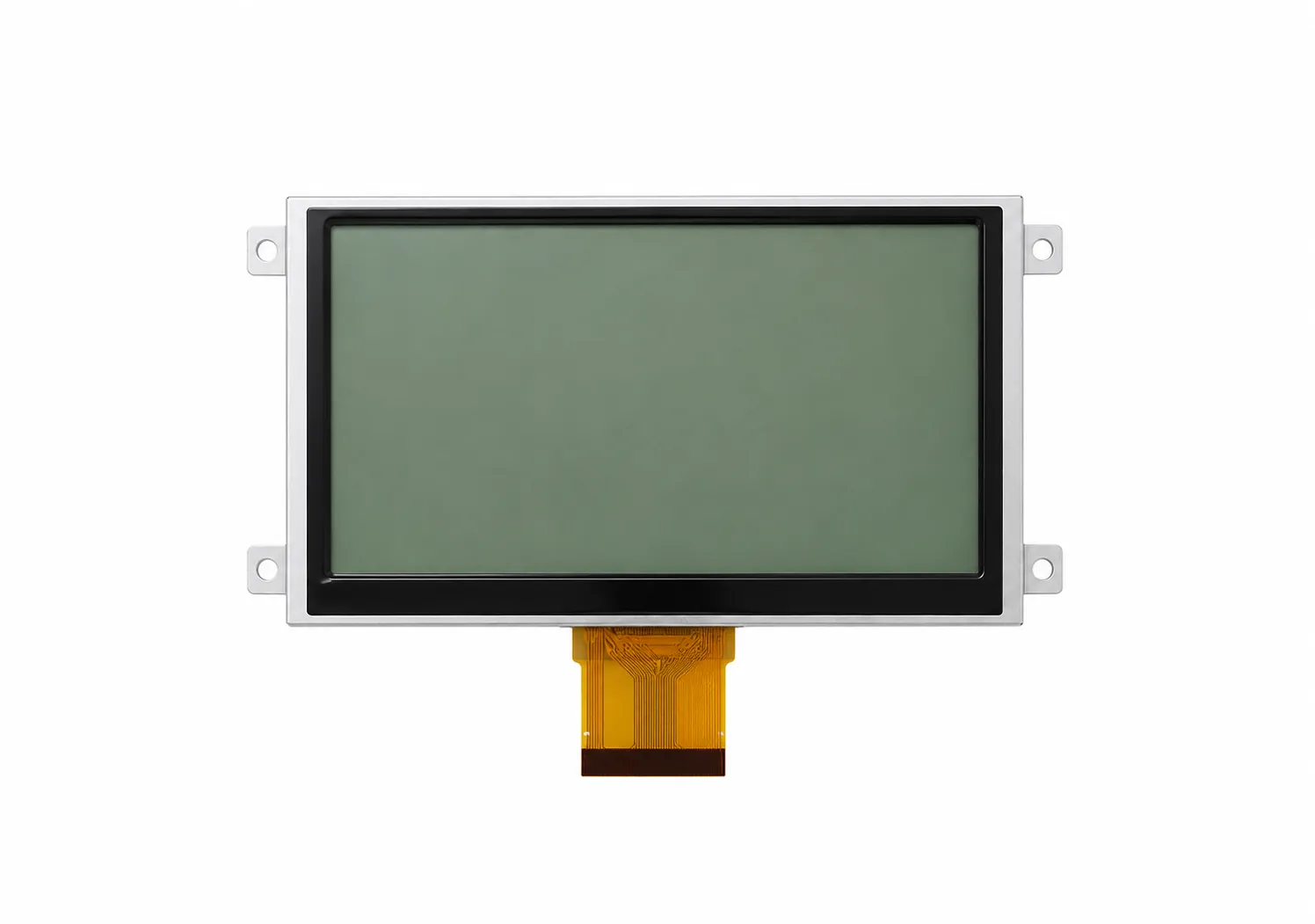
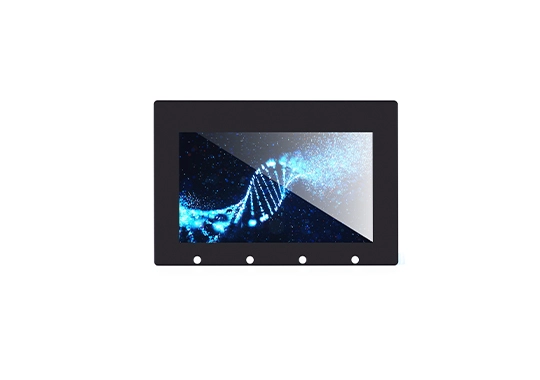
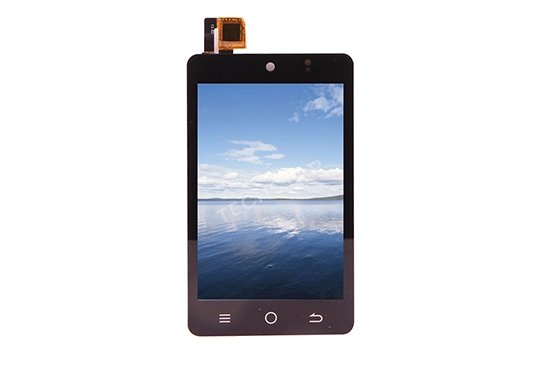
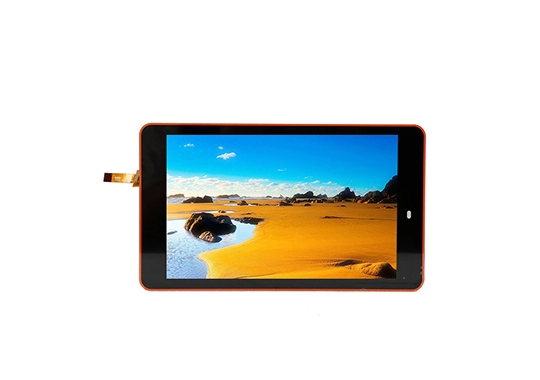
Vertical Alignment (VA) TFT LCD Panels have become a go-to choice for engineers and product developers seeking superior contrast, deep blacks, and reliable performance without the premium price tag of IPS technology. By aligning liquid crystal molecules vertically, VA panels deliver exceptional image depth and readability, making them ideal for everything from industrial HMIs to smart home interfaces and automotive dashboards.In today’s competitive market, where display quality directly impacts user experience and product differentiation, VA TFT LCD technology strikes an excellent balance between visual performance, power efficiency, and cost-effectiveness. Whether you’re designing medical equipment, industrial control systems, or next-generation IoT devices, understanding VA panels can help you make informed decisions that enhance both functionality and market appeal.This comprehensive guide explores the science behind VA technology, its advantages over TN and IPS panels, real-world applications, selection criteria, and why leading OEMs trust Tazanda for custom VA display solutions.
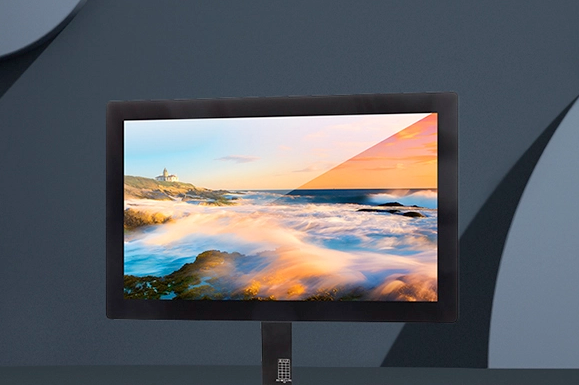
Vertical Alignment (VA) is a liquid crystal display technology where the liquid crystal molecules are aligned perpendicular (vertical) to the glass substrates when no voltage is applied. This default vertical orientation allows almost no light to pass through, resulting in exceptionally deep black levels and high contrast ratios—often significantly better than traditional Twisted Nematic (TN) panels.Unlike TN panels, which twist the liquid crystals to control light, or IPS panels, which keep crystals aligned horizontally and switch them in-plane, VA technology uses vertical alignment to block light more effectively in the off state. This fundamental difference gives VA panels their signature "true black" appearance, making them particularly effective in environments where contrast and readability are critical.Modern VA TFT LCD panels integrate Thin Film Transistor (TFT) technology for precise pixel control, combining the benefits of active-matrix addressing with the optical advantages of vertical alignment. Developed as an evolution of earlier LCD technologies, VA panels have matured into a versatile solution widely adopted across industrial, medical, automotive, and consumer applications.
In a VA panel, liquid crystal molecules stand vertically between two polarizers when no electric field is present. Because the molecules are perpendicular to the substrates, they block polarized light from passing through, resulting in a true black display. This natural light-blocking mechanism is what gives VA panels their outstanding contrast performance.
When voltage is applied through the TFT array, the liquid crystal molecules tilt away from the vertical position. This tilting allows controlled amounts of light from the backlight to pass through the color filters, generating the desired colors and grayscale levels. The precise control enabled by TFT technology ensures sharp images, smooth gradients, and responsive performance suitable for dynamic interfaces.
| Component | Function |
|---|---|
| Backlight | Provides constant illumination source (usually LED) |
| Polarizer | Controls light polarization direction |
| VA Liquid Crystal Layer | Controls light transmission through vertical alignment |
| TFT Array | Switches individual pixels with high precision |
| Color Filter | Creates full RGB color reproduction |
VA panels have gained significant popularity because they deliver performance that often exceeds expectations at a more accessible price point than IPS equivalents. Here are the primary benefits that make them attractive for professional applications.
VA TFT LCD panels routinely achieve contrast ratios between 3000:1 and 5000:1 or higher. This translates to deeper blacks, richer colors, and greater image depth—especially noticeable in dark scenes or interfaces with dark backgrounds. Users perceive higher quality and better readability, which is crucial for medical monitors, industrial dashboards, and automotive displays.
In applications where shadow detail and contrast matter—such as diagnostic imaging or monitoring systems—VA panels excel by minimizing light leakage. This results in clearer differentiation between dark shades and improved overall visual clarity in varied lighting conditions.
Thanks to efficient light utilization in the vertical alignment design, VA panels often consume less power than equivalent high-brightness alternatives. This makes them particularly suitable for battery-powered portable devices, energy-conscious smart home products, and industrial equipment designed for continuous operation.
While not matching the near-180° performance of premium IPS panels, modern VA displays offer very good viewing angles—substantially better than TN technology. This makes them suitable for shared viewing environments like control rooms, vehicle dashboards, or family smart home interfaces.
| Feature | VA TFT LCD |
|---|---|
| Contrast Ratio | Excellent (3000:1+) |
| Black Performance | Excellent |
| Viewing Angle | Very Good |
| Power Efficiency | Good to Excellent |
| Industrial Reliability | High |
Choosing the right LCD technology requires understanding the trade-offs. Here’s a clear comparison to help decision-makers select the optimal solution.
| Parameter | VA | IPS | TN |
|---|---|---|---|
| Contrast Ratio | ★★★★★ | ★★★★ | ★★★ |
| Black Levels | ★★★★★ | ★★★★ | ★★ |
| Viewing Angle | ★★★★ | ★★★★★ | ★★ |
| Color Accuracy | ★★★★ | ★★★★★ | ★★★ |
| Response Time | ★★★★ | ★★★★ | ★★★★★ |
| Cost | ★★★★ | ★★★ | ★★★★★ |
VA panels are ideal for smart home interfaces, medical monitoring devices, industrial control systems, automotive instrument clusters, and any application where high contrast, deep blacks, and cost-efficiency matter more than absolute color accuracy from extreme angles.
Choose IPS for graphic design workstations, professional imaging equipment, video walls, or applications requiring the widest possible viewing angles and the most accurate color reproduction regardless of viewing position.
TN panels remain the most economical choice for simple embedded systems, cost-sensitive consumer products, or applications where ultra-fast response time is more important than contrast or viewing angles.
From intelligent thermostats and energy management panels to smart refrigerators and security system interfaces, VA displays provide the perfect combination of readability, aesthetic appeal, and energy efficiency that modern consumers expect.
Human-Machine Interfaces (HMIs), PLC control panels, automation equipment, and factory monitoring systems benefit from the high contrast and durability of VA TFT LCD panels, ensuring operators can read critical information clearly even in challenging industrial environments.
Portable diagnostic tools, patient monitoring systems, home healthcare devices, and clinical equipment rely on VA technology for sharp, high-contrast displays that support accurate interpretation of vital data.
Instrument clusters, center console information displays, rear-seat entertainment systems, and heads-up display modules increasingly incorporate VA panels for their excellent contrast and reliability across temperature variations.
Smart kitchen appliances, wearable devices, environmental monitors, and various IoT products leverage VA displays to deliver engaging user interfaces without driving up production costs.
Popular sizes include 2.8, 3.5, 4.3, 5, 7, and 10.1. The right size depends on viewing distance, information density, and enclosure constraints.
| Size | Common Resolution |
|---|---|
| 4.3 | 480×272 |
| 5 | 800×480 |
| 7 | 1024×600 |
| 10.1 | 1280×800 |
For indoor use, 300–500 nits is typically sufficient. Semi-outdoor applications may require 700–1000 nits, while full outdoor visibility demands 1000+ nits with appropriate optical treatments.
Common interfaces include RGB, LVDS, MIPI, SPI, and MCU. Selecting the right interface ensures seamless integration with your host controller and minimizes development time.
Capacitive touch, optical bonding, and full lamination are popular choices. CTP Full Lamination Display technology significantly improves optical performance by reducing reflections and enhancing touch accuracy.
The evolution of VA technology continues with several exciting developments:
High-Contrast Industrial Displays with enhanced durability
Ultra-Narrow Bezel Designs for sleek modern aesthetics
Advanced Touch and Display Integration solutions
High-Brightness VA Panels optimized for challenging environments
Automotive-Grade VA Displays meeting stringent reliability standards
Optical bonding, improved touch integration, and higher reliability solutions are making VA panels even more competitive across demanding sectors.
Founded in Shenzhen in 1998, Tazanda (Tianzhengda) has specialized in LCD module manufacturing for over 25 years. As a National High-Tech Enterprise, we combine deep technical expertise with robust manufacturing capabilities to deliver reliable, customized display solutions.Our commitment to quality is demonstrated through certifications including ISO9001, IATF16949, ISO14001, and IECQ QC080000. We serve diverse industries including industrial automation, medical equipment, financial terminals, smart home systems, educational electronics, and automotive applications.
TFT LCD Display – Reliable industrial-grade solutions
CTP Full Lamination Display – Superior optics and touch performance
OLED Display – Premium high-contrast options
INCELL Display – Slim, integrated touch solutions
25+ Years of LCD Manufacturing Experience
Full OEM & ODM Customization Support
Industrial and Automotive Quality Standards
Strong Engineering Development Team
Advanced Display and Touch Integration
Stable Long-Term Supply Chain
Whether you need standard VA panels or fully custom solutions with specific optical bonding, touch integration, or environmental protections, Tazanda delivers with speed and precision.Request a Custom VA LCD Display Solution TodayContact our display experts for:
Free Technical Consultation
Display Selection Guidance
Touch Integration Support
Rapid Prototype Development
Mass Production Manufacturing
VA panels typically offer significantly higher contrast ratios and deeper black levels, making them preferable for applications where image depth and readability in darker environments matter most.
Yes, with proper brightness enhancement (1000+ nits) and optical treatments such as anti-glare coatings or optical bonding, VA panels perform very well in outdoor and semi-outdoor environments.
With industrial-grade components and proper design, VA displays routinely achieve 50,000+ hours of operational life, making them suitable for long-lifecycle industrial and medical products.
Absolutely. Our engineering team specializes in full customization—from display size and resolution to interface type, touch integration, and mechanical design.© 2026 Tazanda Electronics – Professional VA TFT LCD Display Solutions
 English
 日本語
日本語 한국어
한국어 français
 Deutsch
 Español
 italiano
 русский
 português
 العربية
 Malay
Malay